We all know people who’ve been through something tough and somehow come out the other side not just surviving, but using that experience to help others. It’s not just inspiring, it’s contagious.
Lived experience is exactly what it sounds like: real-life knowledge gained through actually living something, rather than reading about it or studying it from a distance; and it has a unique kind of power, because when someone has walked your path, or something close to it, their words hit different.
Some of the most powerful changemakers aren’t the ones with the biggest budgets or the loudest voices, they’re the ones who’ve been through it. People who’ve faced the exhaustion of illness, or the uphill fight against poverty, the sting of bullying, the isolation of discrimination, the heartbreak of grief – and turned that pain into a purpose.
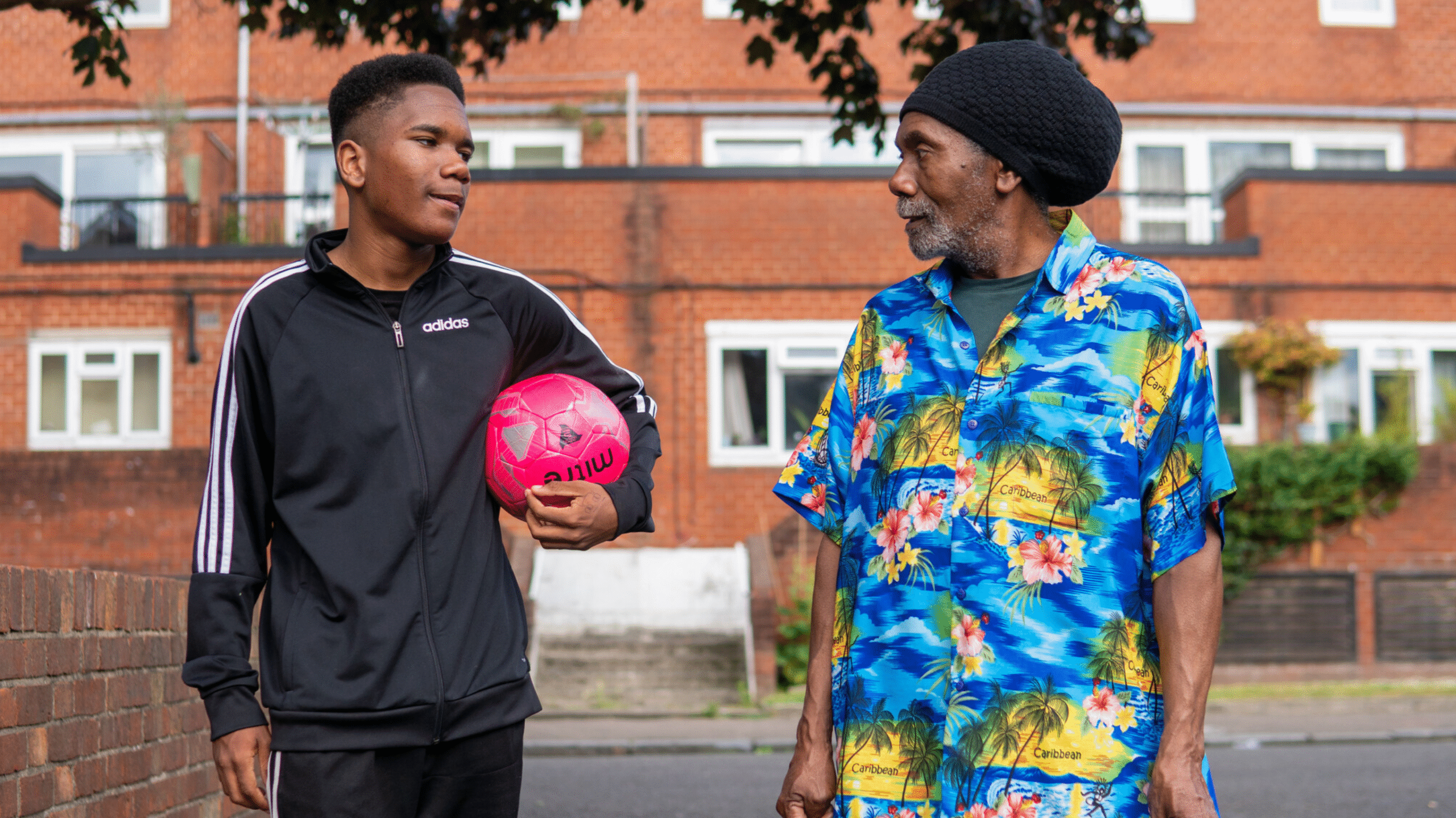
When you’re struggling, hearing from someone who has faced the same barriers can cut through the noise in a way that expert advice sometimes can’t. They get it. They know the frustration, the tiny wins, the days you want to quit. And because they’ve been there, you’re more likely to believe them when they say, “You can get through this.”
One of the most amazing things about lived experience is how often people turn their challenges into tools for change.
Sometimes the impact is quieter but no less powerful:
It’s not about pretending the barrier was a gift – no one chooses trauma, illness, or injustice – but about taking something that could have stopped you and instead using it to light the path for someone else.
Lived experience also plays a huge role in mental health, especially for young people. Hearing from someone their own age who has faced anxiety, depression, or overwhelming pressure can make it easier to speak up and seek help. It turns “I’m the only one” into “I’m not alone,” which can be life-changing. Whether it’s a student sharing how they managed exam stress, or a young worker opening up about burnout, these stories help normalise conversations about mental wellbeing and encourage others to reach out before things reach crisis point.
The reason lived experience is so powerful comes down to three things:
It’s the combination that makes people stop, listen, and believe change is possible.
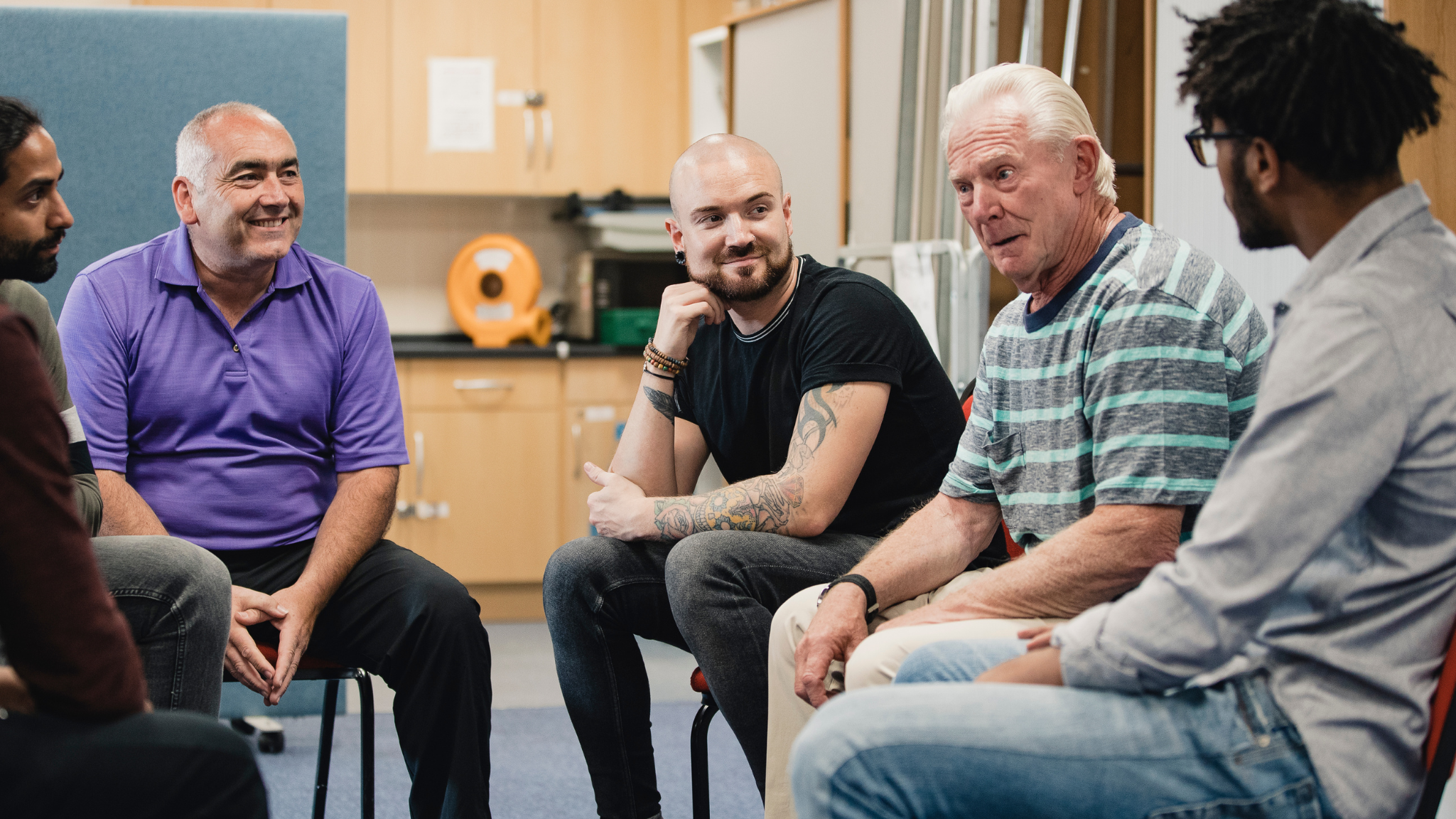
Lived experience spreads. A former addict becomes a sponsor and helps others into recovery. A refugee helps new arrivals navigate life in a new country. A grieving parent starts a foundation in their child’s name. These ripples reach people who might never have sought help otherwise because they see someone who truly understands.
From the #MeToo movement to the Post Office scandal, from growing bans on NDAs in harassment cases to public campaigns for justice after tragedies like Grenfell, people are less willing to stay silent and more determined to challenge systems that cause harm. Lived experience is central to this change. When survivors, bereaved families, and those directly affected speak out, they don’t just tell their story – they demand answers, inspire solidarity, and push for reforms that can protect others. Their voices turn personal battles into collective action, reshaping the rules of what’s acceptable in workplaces, politics, and public life.
You don’t have to lead a charity or start a movement to make a difference. Sometimes it’s one conversation, one piece of advice, or simply being willing to say, “I’ve been there too.” At Limitless CIC we believe the people we support will share their journey, understand that lives aren’t linear and help others along the way.
We often think of “lived experience” as the big stuff, but it can be just as valuable in the small, everyday stumbles we all face. Missing a train because you read the timetable wrong, saying the wrong company name in a job interview, cooking pasta without realising you forgot to turn the hob on. These little moments are part of life’s ongoing ‘apprenticeship’.
Sharing these stories isn’t just about swapping funny anecdotes (though that’s a bonus!) it’s also how we quietly pass along wisdom. Maybe someone hears your interview story and remembers to research the right company next time. Or your first-day-at-work disaster reassures them that everyone starts somewhere, and perfection isn’t the entry requirement for progress.
This kind of lived experience makes advice feel human. It says, “I’ve messed up too, and here’s what I learned”, instead of, “Here’s the flawless way to do it”. And that’s what makes it stick because learning from other people’s mistakes is often the gentlest shortcut we’ll ever get.