Why career paths are rarely straight lines
A young person’s career and life journey is rarely a simple, pre-planned route. For many, it’s full of unexpected turns, setbacks, and opportunities. Every young person’s struggle is unique, shaped by their own circumstances, but there are common challenges, such as mental health difficulties, growing up in a disadvantaged background, discrimination, or limited access to education and training.
While no two stories are the same, these overlapping experiences can create deep understanding and connection. Crucially, a person’s past shapes their perspective, strengths, and resilience, like mine – but it does not have to define their limits. This is where mentoring, lived experience, and positive role models can transform a young person’s outlook and future.
What is mentoring?
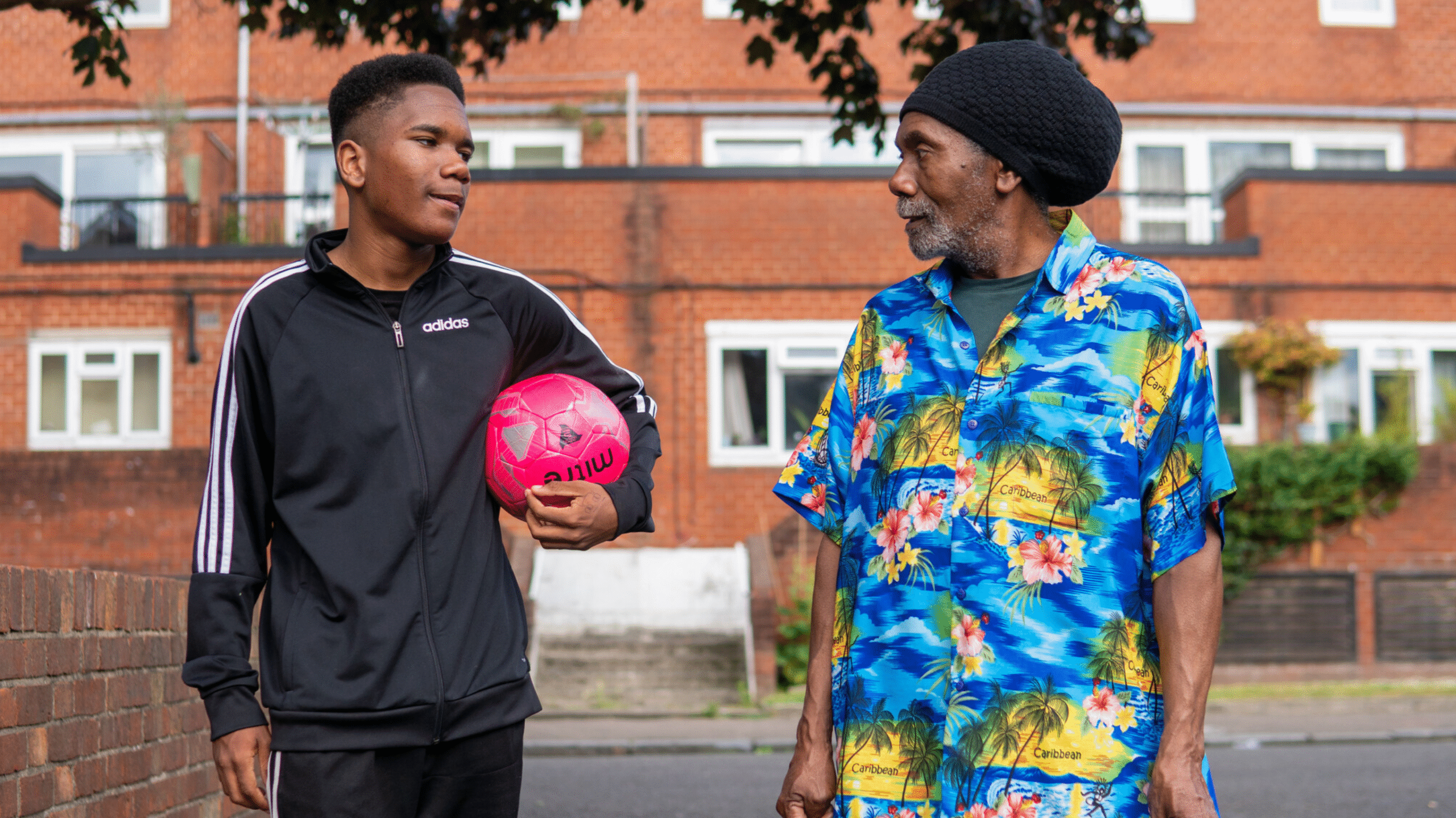
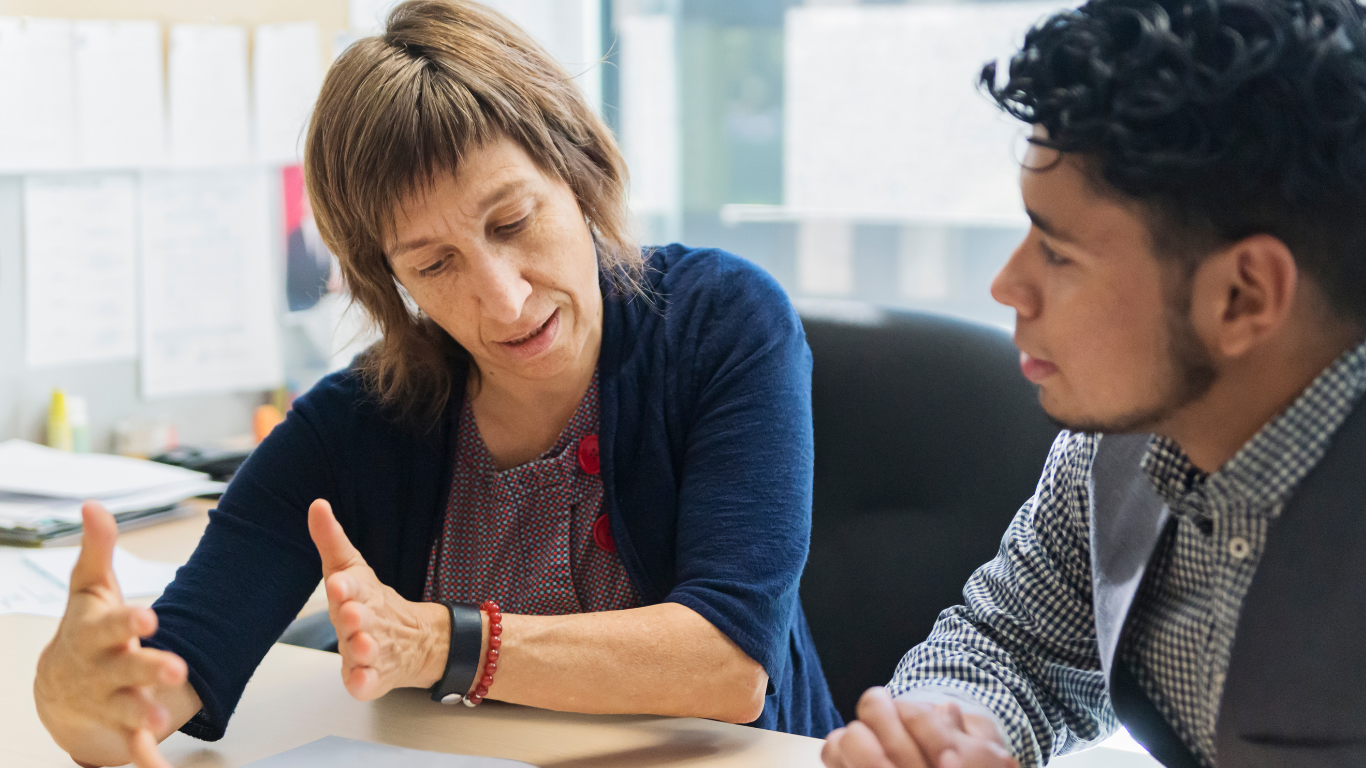
Mentoring is a supportive relationship where a more experienced person offers guidance, advice, and encouragement to someone less experienced. According to the Cambridge Dictionary, it’s “the act or process of helping and giving advice to a younger or less experienced person, especially in a job or at school.”
In youth mentoring, this can mean:
- Helping a young person set goals and plan their next steps.
- Providing emotional support during challenges.
- Sharing knowledge about opportunities and career pathways.
Why it matters: Mentoring boosts confidence, improves decision-making, and helps young people believe in their potential.
What is lived experience?
Lived experience means having first-hand knowledge gained through direct, personal involvement in life events. The Oxford Learner’s Dictionary defines it as “the things that someone has experienced themselves, especially when these give them a knowledge or understanding that people who have only heard about such experiences do not have.”
For young people, a mentor with lived experience might:
- Have overcome similar barriers.
- Understand the emotional realities of certain challenges.
- Offer practical advice rooted in real-world experience.
Why it matters: Lived experience makes advice authentic, relatable, and credible—especially when tackling issues like mental health, poverty, or discrimination.
What is a role model?
A role model is a person whose behaviour, values, or achievements can be admired and emulated. Dictionary.com defines a role model as “a person whose behaviour, example, or success can be emulated, especially by younger people.”
For young people, role models can be:
- Family members.
- Community leaders.
- Public figures who represent possibility and hope.
Why it matters: Role models expand a young person’s vision of what’s achievable, especially if they can relate to their background or story.
How mentoring, lived experience and role models work together
When combined, these three forces have a powerful impact:
- Mentors provide structure, guidance, and encouragement.
- Lived experience offers empathy and practical insight.
- Role models inspire belief and ambition.
A mentor who shares lived experience and acts as a role model can help a young person:
- Build resilience and self-belief.
- See challenges as stepping stones.
- Turn potential into achievement.
The long-term benefits
Young people supported in this way are more likely to:
- Stay engaged in education or training.
- Develop positive self-identity and aspirations.
- Pass on their own guidance and example to others in future.
By investing in mentoring, valuing lived experience, and celebrating role models, we create a ripple effect; empowering today’s young people to become tomorrow’s changemakers.